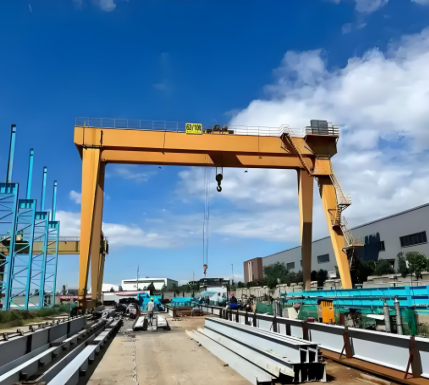
Overview
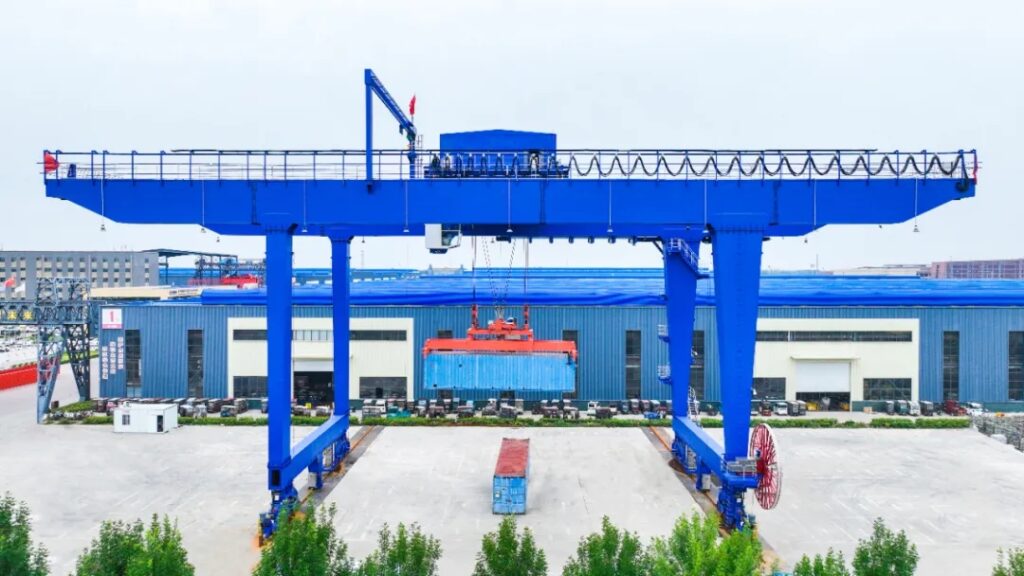
This engineering-oriented guide targets rail-to-truck operations, inland ports, ICDs, and rail container hubs. It provides practical selection and implementation advice for RMG/RTG cranes, covering layout, specifications, power-supply boundaries, automation tiers, wind and safety design, energy and TCO methodology, deliverables, and risk controls.
Intermodal Gantry Cranes (RMG & RTG) - Engineering Playbook
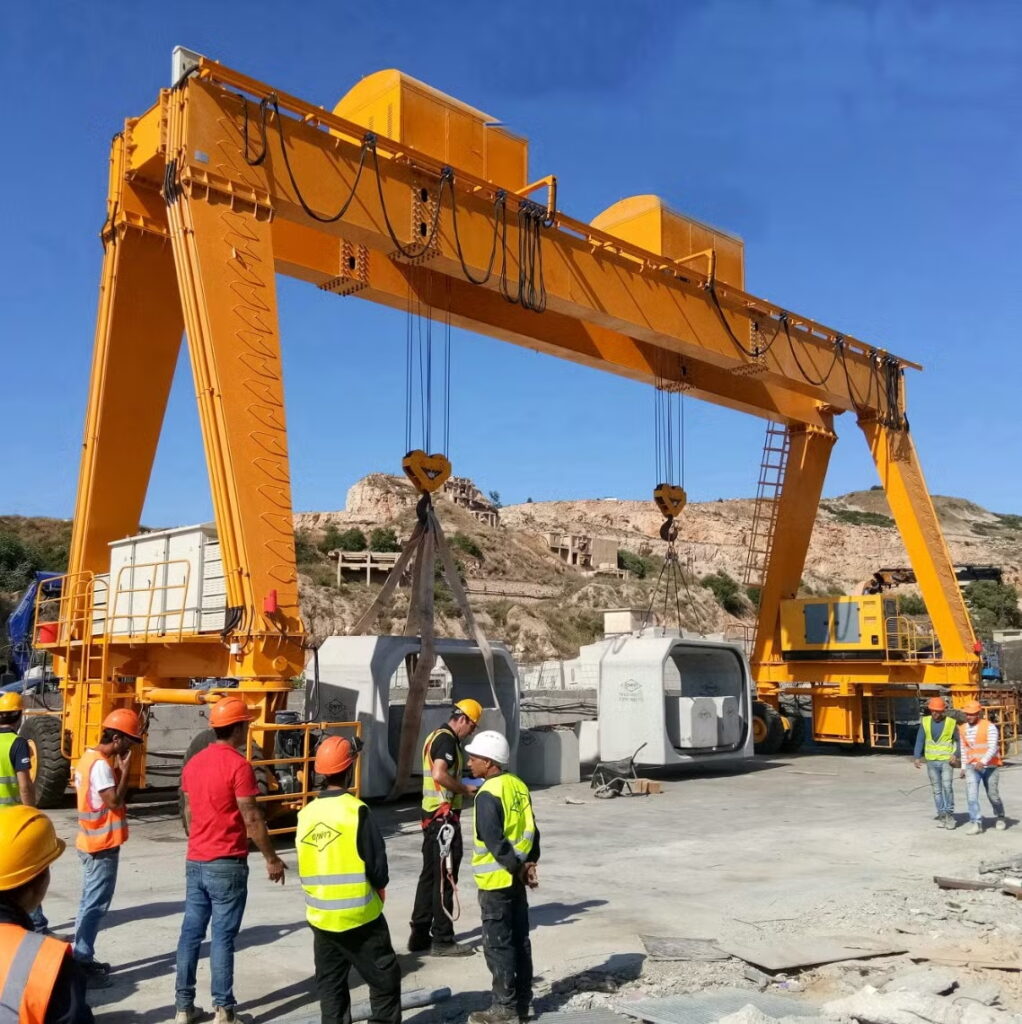
For buyers comparing container yard crane for rail-to-truck, rail mounted gantry crane for intermodal, RMG intermodal crane, intermodal gantry crane, the first step is to confirm the working area, rated load, span, lifting height, travel distance, and expected daily operating frequency. These conditions determine whether a standard crane layout is enough or whether the project needs customized structure, control, and safety protection.
A practical crane selection process should also review the site foundation, power supply, wind exposure, corrosion conditions, operator visibility, and maintenance access. Matching these details before production helps reduce installation changes and keeps long-term operation more stable.
SLKJCrane supports engineering review, configuration design, manufacturing quality control, delivery planning, installation guidance, and after-sales service for gantry cranes, overhead cranes, hoists, and other heavy-duty lifting systems.

For customized crane projects, the final solution should be matched to span, lifting height, capacity, travel distance, control mode, site constraints, and local operating standards.